
Pain Is Her Superpower
Tanvir Ahmed
27 March 2026
She Has No Coach, No Training Plan, and Seemingly No Limits Inside the candy-chomping, pain-fueled, infectiously cheerful world of Courtney Dauwalter.
Thirteen years ago, before she had 10 sponsors, running records that appear as if they will stand for decades (or until she breaks them), hundreds of thousands if not millions of fans, and an article of clothing named after her, Courtney Dauwalter was a 25-year-old, junk-food-eating eighth-grade science teacher living in Denver. She had recently taken up trail running, had completed a 50-mile race, then had heard about an event called the Run Rabbit Run 100-miler. “It sounded insane,” she says. “I had to try.”
About 50 miles into the 2012 Run Rabbit Run 100 in Steamboat Springs, Colorado, she realized just how insane the race was. It was raining, and she was cold, and sick, and tired. Everything hurt. She spent miles vomiting. The guy she was dating at the time, a software engineer named Kevin, was pacing her, and he was alarmed. (A few months earlier, when she asked him if he would pace her for part of the race, he was mystified. “I didn’t know that was something people did,” he says. He meant running 100-mile races.) Kevin was primarily a rock climber, but she seemed nice, and she was funny, and he enjoyed trail running with her so, sure, why not join her for this nutty adventure?
On her way to the race’s eighth aid station, Long Lake, at mile 60, trudging uphill, through rain, in between vomiting, with Kevin at her side, Dauwalter thought things over.
Who do you think you are? she thought. What do you think you’re doing here? You should just stop. It hurts. It’s hard. I can’t do this. I’m out.
She kept going, kept climbing. Kept vomiting. She stopped and lay down on the trail. “I can’t do this,” she told Kevin.
"There's no way, my legs hurt so bad."
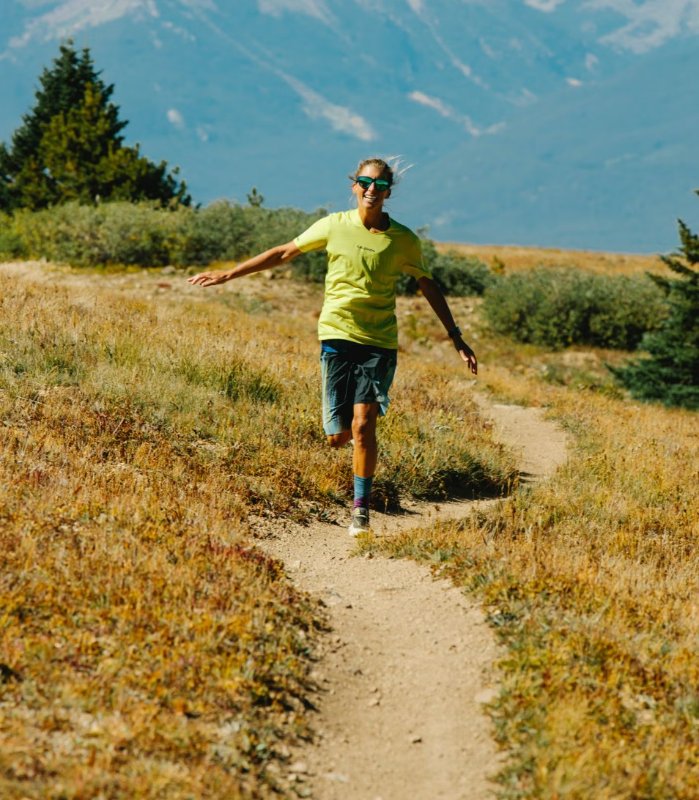
They arrived at the Long Lake aid station—essentially a small tent with a firepit and eight camp chairs—at 8 p.m. The sun set, the temperature dropped, Dauwalter accepted the offer of an extra vest and sweatshirt from race volunteers. She had to wait two hours before her support van—her older brother and his wife and a group of friends—showed up to collect her. For the first hour or so, she watched other contestants stumble into—and out of—the aid station, and she thought, I’m not that person. I’m not a person who runs 100 miles. They can do it, but that’s not me.
Then as one suffering runner after another drank some water, or some soup, or merely groaned, or changed shoes, or sighed, then continued on with the race, Dauwalter’s thinking changed.
“I had a front row seat. These were runners doing the same thing I was doing, feeling the same things I was feeling,” she says. “They were staggering in, but they were staggering out, too. They had good attitudes. They were problem-solving. It helped me understand how much of this is mental. These people looked just as destroyed and tired as I had felt. That was a huge thing for me to learn.”
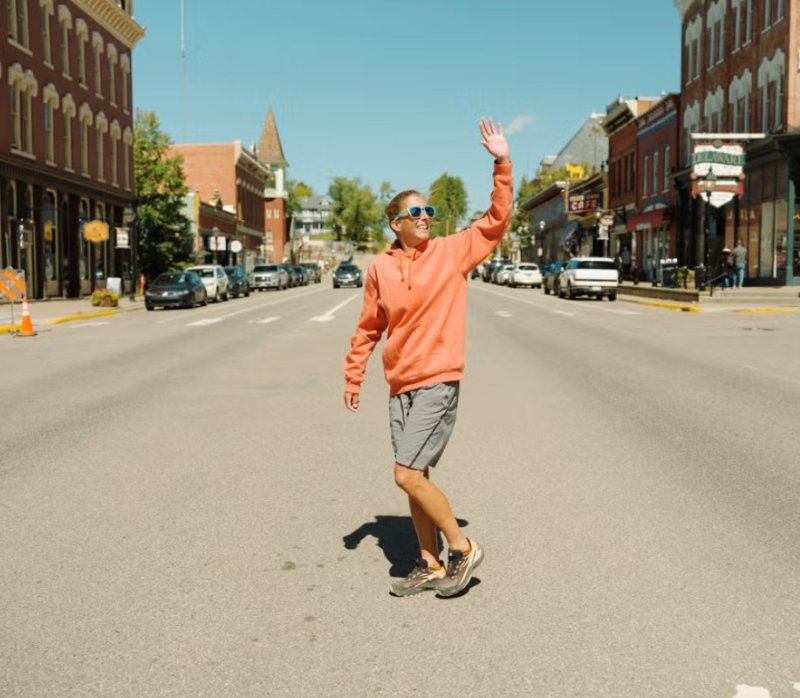
What she didn’t know was that quitting her first 100-mile race would help transform her into one of the greatest ultrarunners ever. Take on monumental challenge. Endure almost indescribable pain. Suffer. Fail. Give up. Realize—too late to continue the race you just quit, but early enough to build a legendary career—that suffering and pain are not just aspects of any worthwhile undertaking, they’re priceless gifts, invaluable teaching aids. These are the major beats of the Origin Story of Courtney Dauwalter.
Karma Rating
5.0 / 5 · 2 ratingsLog in to give Karma Points.
This content has contributed 10 Karma Points to its author.
Comments (2)
Very Nice
Excellent Writing